Phone:
(701)814-6992
Physical address:
6296 Donnelly Plaza
Ratkeville, Bahamas.

Phone:
(701)814-6992
Physical address:
6296 Donnelly Plaza
Ratkeville, Bahamas.
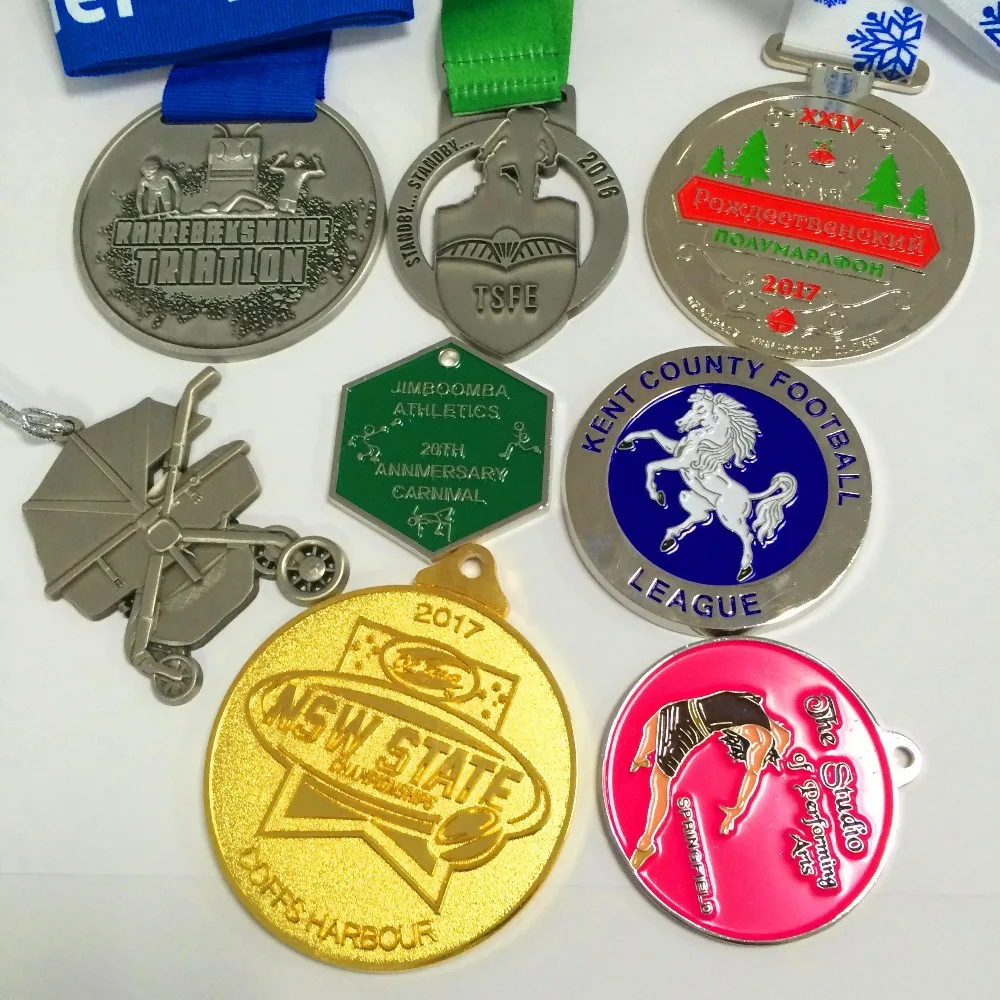
They should define the event purpose and the audience before thinking about designs. A kids’ fun run medal needs different priorities than a national championship award.
When they design your own medals, this single decision influences everything: material, thickness, ribbon choice, edge style, and even how durable the finish must be. It also helps set a realistic budget and prevents overdesigning for a casual event.
They should pick dimensions based on how the medal should feel on the neck and look in photos. Common sizes often range around 50–70 mm, but the right size depends on design complexity and perceived “weight.”
Thickness matters as much as width. A thicker medal usually feels more premium, supports deeper detail, and resists bending. Custom shapes can stand out, but they may increase cost and require cleaner artwork planning.
They should choose material based on the finish they want and the wear the medal will face. Zinc alloy is common for detailed designs and cost efficiency, while iron is often used for simpler stamped styles. Brass can look premium but typically costs more.
If they want sharp relief details, zinc alloy is often easier to work with. If they want a classic, solid feel, they may prioritise a heavier build with appropriate plating.
They should choose enamel type based on the desired texture and durability. Soft enamel leaves recessed colour areas and raised metal lines, giving a tactile, classic look. Hard enamel is filled and polished flat, often appearing smoother and more “jewellery-like.”
If the design relies on metal detail, they may skip enamel entirely and use antique finishes, sandblasting, or high and low relief for contrast. Fewer colours can also reduce cost and speed up production.
They should treat finish as a design choice, not an afterthought. Polished gold, silver, and bronze are common, but antique finishes can make detail pop, especially in relief designs.
They can also consider matte plating, two-tone plating, or selective plating for emphasis. For intricate logos, a cleaner modern plating might read better in photos. For heritage events, antique or brushed finishes may suit the brand tone.
They should keep the front focused on what matters in a glance: event name, emblem, year, or a strong symbol. A crowded front can make even a high-quality medal look messy.
They can use the back for secondary details like location, distance, sponsor list, or a participant message. If they need variable information like finisher names, they should plan space for engraving or a blank panel.
They should expect the manufacturer to request vector artwork, often in formats like AI, EPS, or PDF. If they only have a raster image, it may need redraw, which can add time and cost.
They should also plan for a digital proof stage. Approvals matter because the proof often becomes the reference for production. They should check spelling, dates, logo proportions, and colour callouts carefully before they confirm anything.
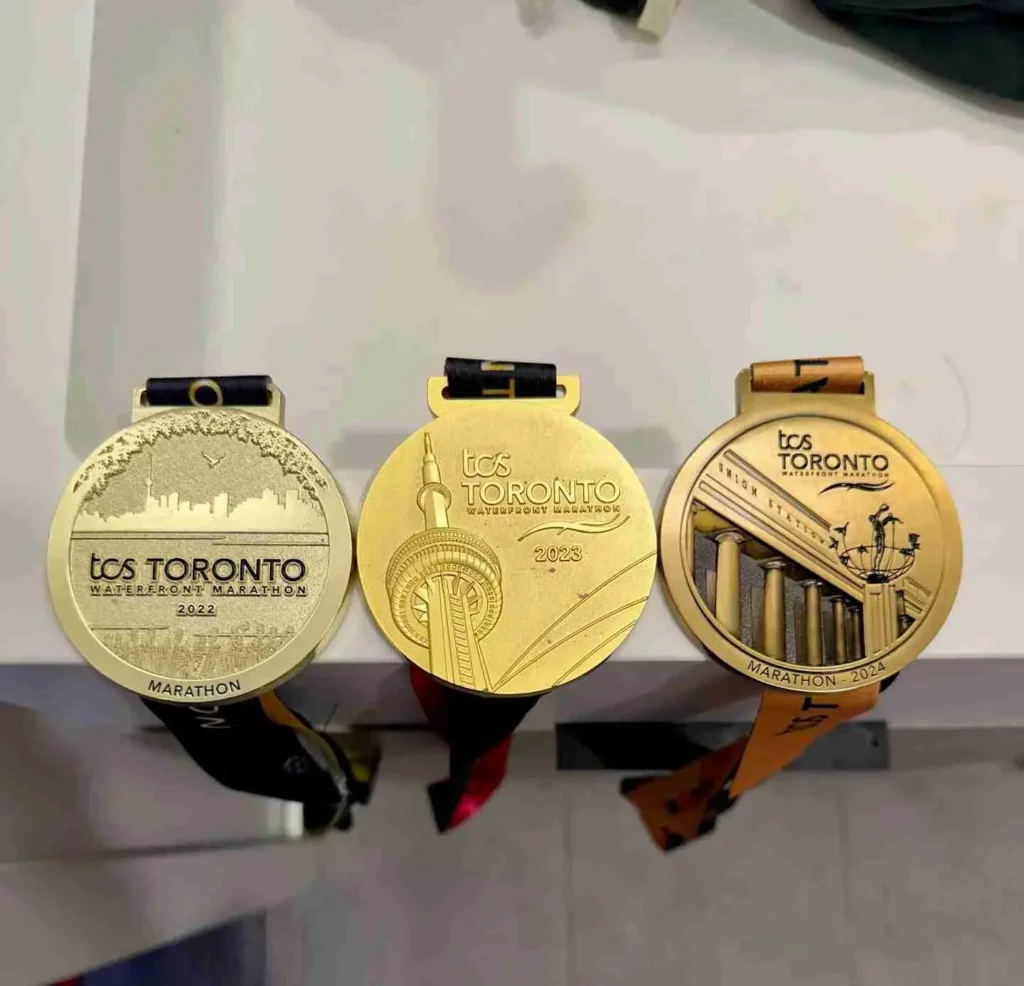
They should choose ribbon width and print style based on comfort and visibility. Wider ribbons often feel more premium and sit better on the neck, but they should match the medal’s size.
They can use solid colours, striped patterns, or full dye-sublimated printing for complex designs. If branding is important, a printed ribbon can carry the event name or sponsor marks without crowding the medal face.
They should ask early about edge finishing, plating standards, and colour matching. Small details like sharp edges, uneven plating, or inaccurate colours are usually preventable when specifications are clear.
They should request clarity on tolerances for enamel fill, line thickness, and text size. If the design includes fine text, they should enlarge it or simplify it, because tiny lettering can blur in casting or stamping.
They should budget with the main cost drivers in mind: size, thickness, number of colours, plating type, custom shape, and packaging. Tooling or mould fees may apply, especially for first-time designs.
They should also plan around lead times. Production plus shipping can take weeks, and delays often happen when proofs require multiple revisions. If the event date is fixed, they should work backward and set an approval deadline.
They should match packaging to the event’s perceived prestige. A simple polybag may be fine for mass participation, while velvet boxes or presentation cases suit VIP awards.
They can also add features like cut-out windows, custom back cards, or premium clasps for ribbons. Add-ons can elevate the unboxing experience, but they should confirm whether they affect packing time and shipping volume.
They should confirm specifications in writing: dimensions, thickness, finish, colour count, ribbon width and print, packaging, and delivery date. This prevents miscommunication when production begins.
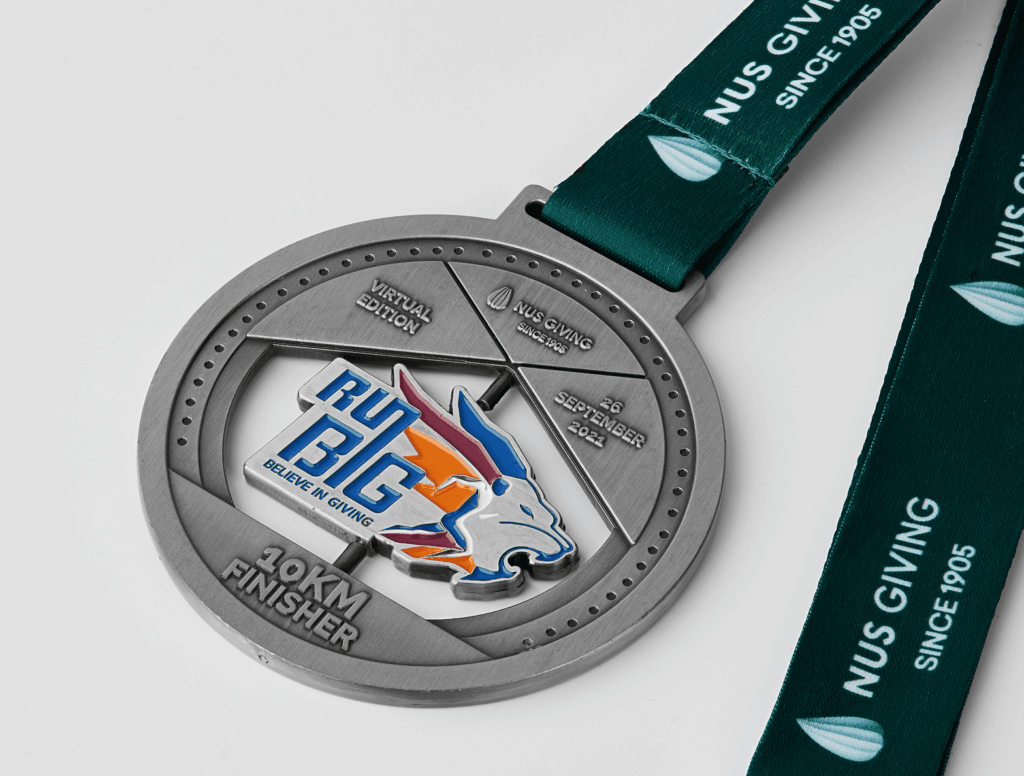
They should also confirm who owns the mould and whether reorders are possible at lower cost. If they expect the event to repeat annually, they should design with future reuse in mind, such as leaving space for changing dates. Click here to learn about custom epaulettes Australia: when are they required?
Organisers should first define the event purpose and the audience to influence material, thickness, ribbon choice, edge style, and finish durability. This helps set a realistic budget and ensures the design suits the event, whether it’s a kids’ fun run or a national championship award.
Medal dimensions impact how it feels on the neck and appears in photos. Common sizes range from 50–70 mm. Thickness contributes to a premium feel, supports detailed designs, and prevents bending. Custom shapes can enhance uniqueness but may increase costs and require precise artwork.
Zinc alloy is ideal for detailed designs and cost efficiency, iron suits simpler stamped styles, while brass offers a premium look at a higher cost. Material choice depends on desired finish, wear resistance, detail sharpness, and overall weight preference.
Soft enamel provides recessed colour with raised metal lines for a tactile classic look. Hard enamel is polished flat for a smooth, jewellery-like finish. Choosing no colour allows emphasis on metal details using antique finishes or relief techniques. Fewer colours reduce costs and speed production.
They should clarify edge finishing, plating standards, colour matching, enamel fill tolerances, line thickness, and text size early on. Simplifying or enlarging fine text helps prevent blurring in casting or stamping processes.
Packaging should reflect the event’s prestige—from simple polybags for mass participation to velvet boxes for VIP awards. Add-ons like cut-out windows or custom back cards enhance presentation but may affect packing time and shipping volume.