Phone:
(701)814-6992
Physical address:
6296 Donnelly Plaza
Ratkeville, Bahamas.

Phone:
(701)814-6992
Physical address:
6296 Donnelly Plaza
Ratkeville, Bahamas.
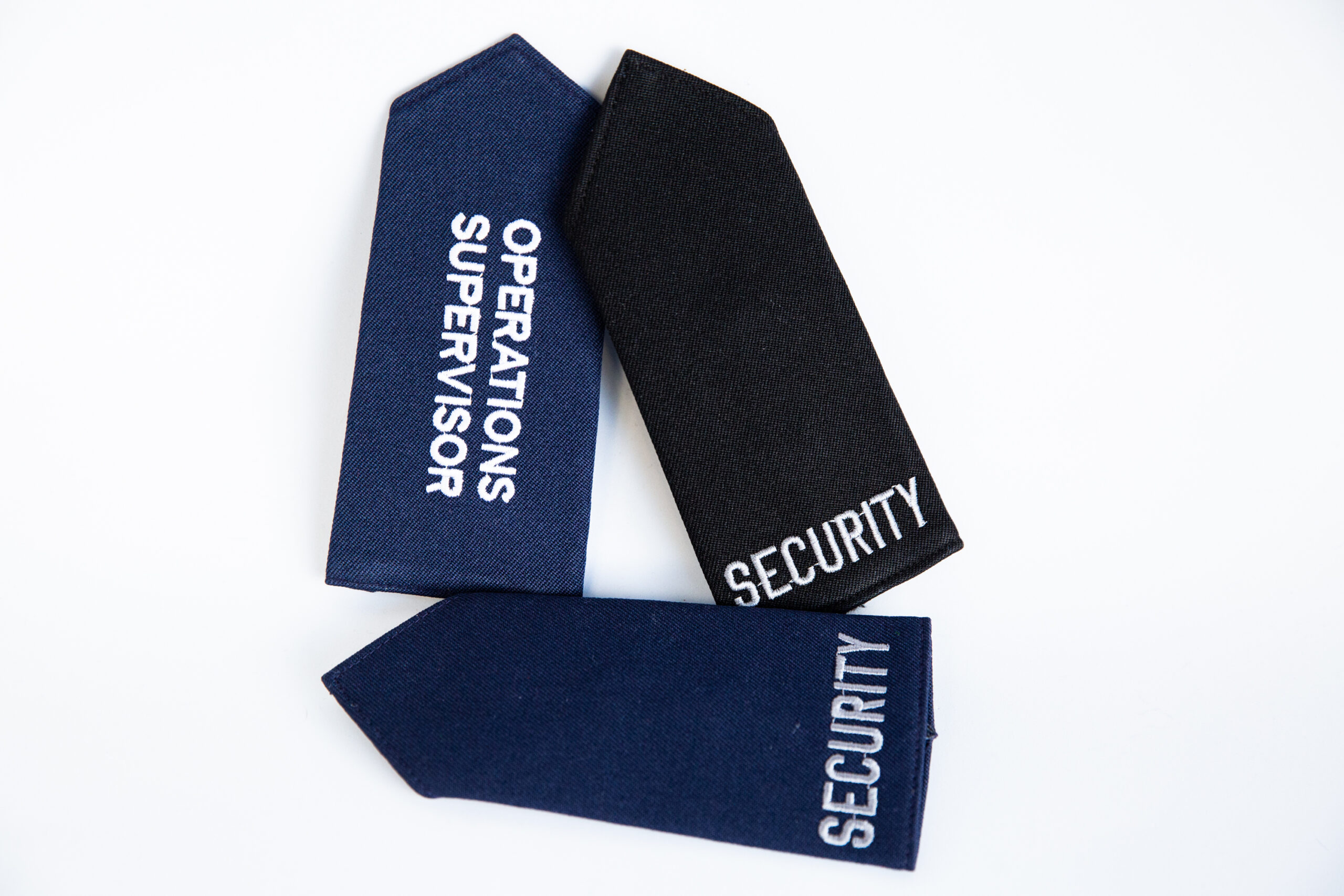
Because rules vary by industry, the real question is not whether epaulettes are popular, but whether the wearer’s workplace, governing body, or client contract demands visible insignia.
They require custom epaulettes Australia when rank or appointment must be identifiable at a glance. This is common in hierarchical teams, public-facing services, and any setting where incident control depends on clear authority.
Many organisations write this into uniform standards, onboarding documents, or operational procedures. If the uniform policy lists shoulder slides or epaulette boards as mandatory, then “custom epaulettes” become required whenever standard issue options do not cover the needed titles, colours, or ranks.
They most commonly appear where chain of command and credibility matter. Security, aviation, emergency response, maritime, and some hospitality or corporate concierge roles use epaulettes to signal role and seniority quickly.
They can also be required for ceremonial uniforms in clubs, schools, or community organisations. In those cases, the requirement is usually internal, set by tradition or committee policy rather than a government rule.
Usually, no specific law says a worker must wear epaulettes. Requirements normally come from internal policy, industry standards, contracts, or safety procedures rather than legislation.
However, if a role is regulated and must not misrepresent authority, the “legal” issue can become about accuracy. An organisation may need controls so insignia does not imply powers they do not have, especially in security or compliance-adjacent roles.
They are required when off the shelf epaulettes cannot correctly show rank, unit, name, or department, or when branding guidelines must be followed. This comes up during expansions, mergers, role redesigns, or when a team introduces new supervisory levels.
Customisation is also common when an organisation wants consistent colour matching across uniforms, or when they need specific edging, metallic thread, or embroidered titles for formal presentation.
They are often required when the security provider’s uniform standard mandates rank identification such as supervisor, team leader, or site manager. Large venues and multi-contractor sites rely on visible hierarchy to reduce confusion during incidents.
They can also be required by a client contract that specifies presentation standards. In that case, epaulettes are not just an accessory, but part of meeting the service agreement’s uniform clause.
They are commonly required when the uniform system uses shoulder stripes to indicate seniority and operational responsibility. In aviation settings, quick recognition supports cockpit and cabin coordination, as well as passenger confidence.
Airlines and related service providers typically include this in uniform manuals. Custom epaulettes may be required when roles change, new bases open, or branded elements differ across subsidiaries.
They are required when management wants guests to instantly identify who can approve decisions, resolve complaints, or coordinate staff. Some venues use epaulettes as a clean visual system for supervisors, duty managers, and security leads.
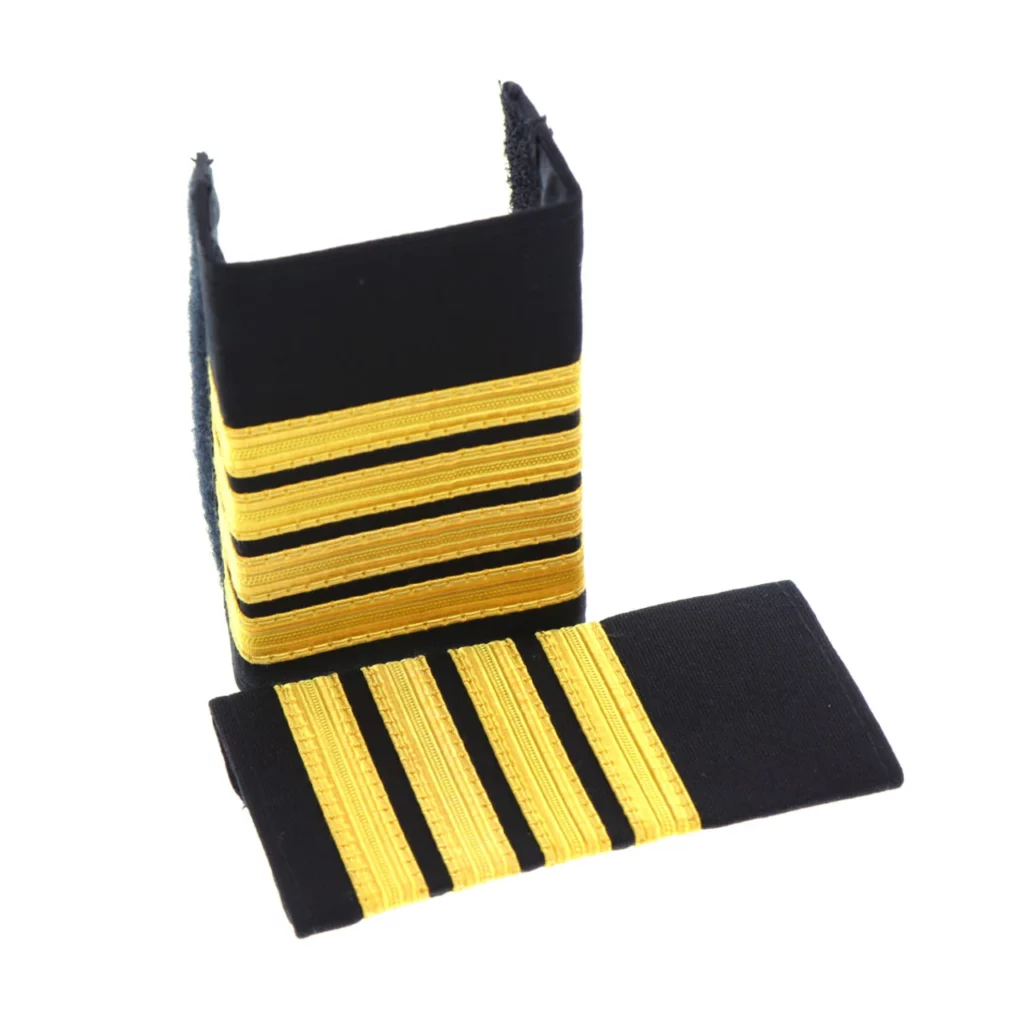
In hospitality, they are less about “rank” and more about clarity and service flow. If the venue policy says managers wear shoulder slides, then they are required during shifts.
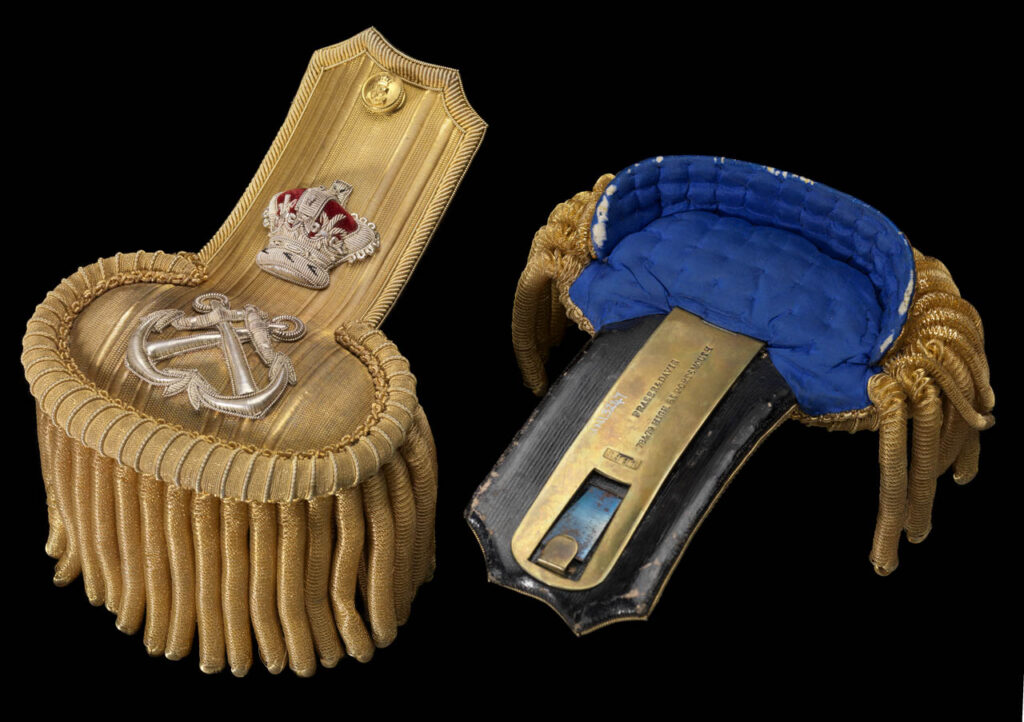
They are required when an organisation’s dress uniform standard includes them for parades, presentations, or official functions. This is common in clubs, school cadet-style programs, community groups, and some corporate formal uniforms.
Custom epaulettes become important when titles, crests, or colours must match a specific tradition. In formal settings, consistency is usually the reason they are enforced.
They are not required when a uniform policy does not specify them, or when role identification is handled another way, such as chest badges, lanyards, or embroidered name strips. Many workplaces prefer simpler uniforms to reduce cost and avoid confusion.
They are also often skipped in low-risk, back-of-house roles where customers never need to identify rank. In those environments, epaulettes can be optional or reserved for leadership only.
They should require epaulettes when fast role recognition improves safety, customer experience, or operational control. If staff regularly face public interactions, disputes, emergencies, or multi-team coordination, clear insignia can help.
They should avoid requiring them when they add complexity without real benefit. If turnover is high, roles are fluid, or uniform compliance is already difficult, a simpler system may work better.
They should first confirm uniform policy, rank structure, and attachment style, because compatibility drives whether epaulettes can actually be worn. Common issues include mismatched shoulder loops, incorrect sizing, or choosing boards meant for a different shirt or jacket cut.
They should also ensure insignia is accurate and approved internally. In regulated or sensitive roles, the main risk is misrepresentation, so approvals should be documented before production. Click here to learn about design your own medals: what you need to know before ordering.
Australian organisations require custom epaulettes when their uniform policies mandate visible insignia to clearly display rank, role, or authority. This is especially common in hierarchical teams, public-facing services, and settings where incident control depends on clear authority. Custom epaulettes become necessary when standard issue options do not cover the needed titles, colours, or ranks.
Epaulettes are most commonly used in industries where chain of command and credibility are crucial, such as security, aviation, emergency response, maritime, and certain hospitality or corporate concierge roles. They also appear in ceremonial uniforms within clubs, schools, and community organisations where tradition or committee policy requires them.
Generally, no specific Australian law mandates that workers wear epaulettes. Requirements typically arise from internal policies, industry standards, contracts, or safety procedures rather than legislation. However, in regulated roles where misrepresentation of authority is a concern—such as security—organisations must ensure insignia accurately reflect legitimate powers to avoid legal issues.
Custom epaulettes are necessary when off-the-shelf options cannot correctly represent rank, unit, name, department, or when branding guidelines require specific colours or designs. Situations prompting customisation include organisational expansions, mergers, role redesigns with new supervisory levels, and the need for consistent colour matching or formal presentation elements like metallic thread and embroidered titles.
Epaulettes are often required on security uniforms when the provider’s uniform standards specify visible rank identification such as supervisor or site manager. Large venues and multi-contractor sites rely on clear hierarchy during incidents. Additionally, client contracts may mandate epaulettes as part of uniform presentation standards to fulfill service agreements.
Organisations should verify their uniform policies, rank structures, and attachment styles to ensure compatibility with epaulette designs. Common issues include mismatched shoulder loops or incorrect sizing relative to shirt or jacket cuts. They must also confirm that insignia is accurate and internally approved to prevent misrepresentation—particularly important in regulated roles—before proceeding with production.