Phone:
(701)814-6992
Physical address:
6296 Donnelly Plaza
Ratkeville, Bahamas.

Phone:
(701)814-6992
Physical address:
6296 Donnelly Plaza
Ratkeville, Bahamas.
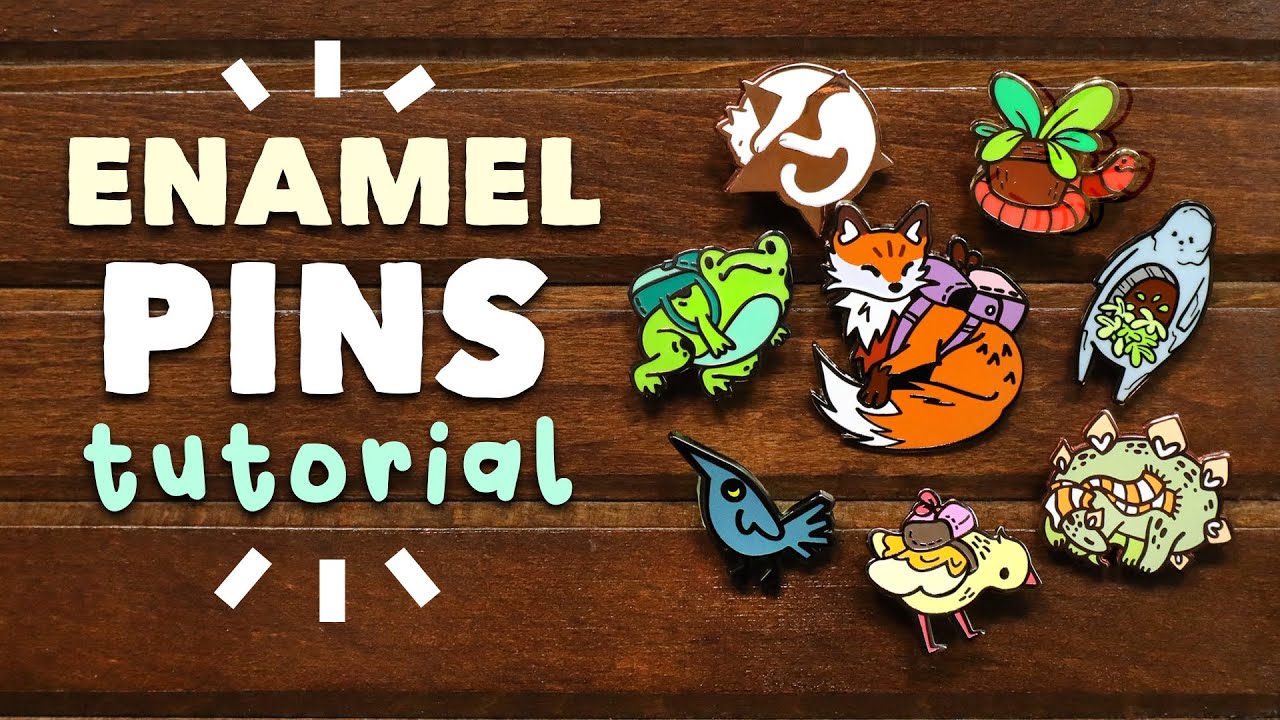
Enamel pins continue to charm collectors and enthusiasts across Australia and beyond. They’re not merely decorative; they serve as conversation starters, expression of personality, and even marketing tools for brands. With several techniques available to craft these small, yet intricate pieces of art, it’s time to explore the diversity behind custom enamel pins and how each type is made. Whether you’re a pin collector, a budding designer, or a small business owner exploring promotional options, let’s delve into the world of enamel pins.
This guide breaks down six popular types of custom enamel pins along with their unique design processes. We’ll cover everything from the tactile treasures of soft enamel pins to the captivating glow of glow in the dark pins.
Dive in for a friendly, informative look at the craftsmanship involved and find out what might suit your style or brand best.
Soft enamel pins are valued for their tactile quality, characterised by raised metal edges and recessed enamel. The variation in depth offers a pleasant multi-dimensional feel that collectors and designers alike appreciate. The recessed areas typically display vibrant colours, leaving the metallic parts uncoloured to form a crisp outline.
The textured finish of soft enamel pins means that each piece captures a traditional, almost handcrafted quality. Because the enamel is filled into the depressions, the texture not only feels appealing but also gives a sense of robustness and durability. The contrast between the enamel recess and raised metal lines offers a dynamic interplay of colours and light.
Unlike more modern printing methods, soft enamel emphasises a classic style. Many enthusiasts appreciate the nostalgia it conveys, often comparing it to vintage collectibles that have withstood the test of time.
The process for creating soft enamel pins starts with designing a mould that will define the shape. Once this is set, metal is stamped or cast into shape and the areas meant to be coloured are recessed. After careful cleaning, enamel is then applied to these depressions. Each pin is cured in an oven, ensuring the enamel hardens perfectly inside the cavities.
A skilled hand is essential during the enamel pouring and curing process. Designers work meticulously to ensure that the colours adhere evenly, creating a clean and professional finish. Advanced techniques occasionally involve hand-tuning the enamel application to guarantee that every detail matches the initial design concept.
This traditional method has a slight chance of imperfections, which for many is seen as part of the charm. Each pin tells its own story, proudly wearing the gentle marks of a handmade process that celebrates character and craftmanship.
Hard enamel pins are distinct with their smooth, polished surface where the enamel sits flush with the metal lines. This finish results in a sleek, premium appearance that feels condensed and modern. The flush design makes the overall look quite upscale, as though the design items are mini works of art rather than simple accessories.
Unlike the textured soft enamel, hard enamel offers a mirror-like finish that can be compared to a high-end piece of jewellery. This sleekness makes hard enamel pins perfect for designs that need a subtle, refined, and modern twist.
This style has rapidly grown in popularity for both commercial logo pins and exclusive collector releases. The robust nature of the finish ensures that the pin maintains its visual appeal even after years of wear and handling.
The process begins similarly to the soft enamel pins, with the creation of a detailed mould. However, in hard enamel design, the enamel is poured carefully so that it sits perfectly level with the metal edges. Once the design is in place, the piece is baked, allowing the enamel to harden and bond with the metal plate.
The key difference lies in the meticulous polishing that follows. Craftsmen smooth over the finished product until the enamel is absolutely flush with the raised metal lines. This extra step is crucial and is what gives hard enamel pins their distinct, polished look.
Hard enamel production tends to require more careful quality control. Every pin undergoes rigorous inspection to ensure there are no hiccups or uneven surfaces. The final product is a durable and eye-catching accessory that’s built to last.
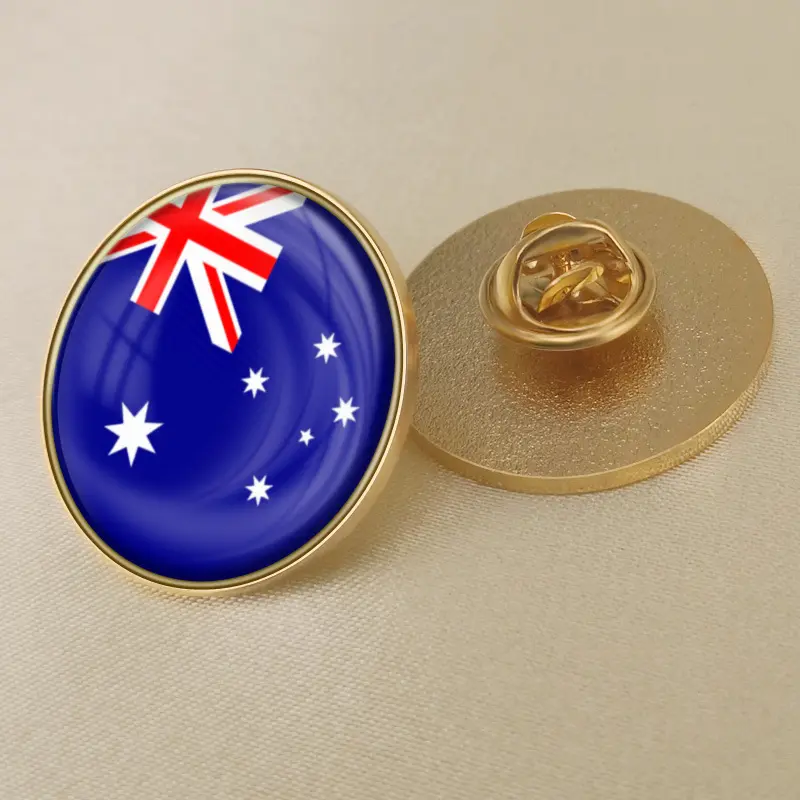
3D Mold, or Die Cast pins, offer a distinctive edge with their ability to capture intricate details through depth and dimension. Their standout feature is the ability to produce complex shapes, cutouts, and raised details that bring a design to life. This process enables the creation of pins with a true 3D feel that is highly tactile and visually dynamic.
Fans of 3D pins appreciate how elements of light and shadow play across the surface, highlighting contours and adding a striking sense of realism. The process allows for innovative design elements like unusual shapes or complex combinations that would be more challenging with traditional enamel techniques.
The uniqueness of each die cast pin often comes from its ability to incorporate multiple layers within a single object. Whether it is for detailed cartoon characters or abstract shapes, these pins offer a perfect canvas for multifaceted design expression.
The creation begins with a high-resolution 3D model that is translated into a mould. Molten metal is then poured into this mould, allowing it to assume the desired three-dimensional form. Once set, the pin is allowed to cool and solidify, making it ready for further decoration or finishing touches.
Often, designers utilise multiple metal colours or additional enamelling to accentuate specific areas. This can include applying a second finish to highlight certain details or to simulate textures that mimic natural materials more accurately.
The craftsmanship behind die cast pins is both technical and artistic. Designers must consider the weight distribution, the balance of raised features, and the integration of colour to ensure that the final product not only captivates the eye but also feels comfortable when worn.
Offset printed pins with an epoxy coating represent a modern take on custom enamel pins. The offset printing process brings photographic detail and intricate gradients to life, making these pins an excellent choice for designs with elaborate colour schemes. It offers a level of detail that more traditional techniques might struggle to match.
Once the design is printed onto the pin, a clear epoxy dome is applied to protect the artwork. This transparent layer not only seals the print against wear and abrasion but also adds a glossy finish that enhances the overall visual impact. The outcome is a highly detailed, vibrant accessory that consistently catches the eye.
This approach suits designs where fine details and a broad colour palette are essential to the brand or design narrative. It perfectly marries technology with traditional pin production techniques for a refined final product.
The process kicks off with high-quality offset printing where the design is transferred directly onto the metal surface. An intensive pre-press check ensures that every detail is captured from the original design. Once printed, the pin is carefully inspected before moving to the next step.
After the print has been approved, a clear epoxy resin is applied over the design. This resin then cures to form a transparent, robust shield over the image. Craftsmen must be precise with the epoxy application to avoid bubbles or imperfections that could detract from the final look.
The result is an enamel pin that marries the best of both worlds: the fine artistic detail of offset printing and the added durability of a protective epoxy coating. This method has become especially popular among designers who value both aesthetics and longevity.
Die struck pins represent a nod to the vintage era of classic pin making. The design is stamped directly into the metal using precision dies, resulting in a concise, often minimalist design with a flat, embossed finish. Enthusiasts of retro styles will find die struck pins particularly appealing, as they evoke a sense of nostalgia and craftsmanship.
The process is straightforward yet elegant. Designers prefer this method when the simplicity of the design is paramount. Sometimes, less is more – and the design language of die struck pins reminds us of that. Their subtle charm lies in their understated appearance.
This style has found favour among those looking for a timeless aesthetic. It’s also a great method for creating limited edition pins that maintain an artisanal quality while standing the test of time.
The making of die struck pins is characterised by the precise artistry of metal stamping. A masterfully crafted die is used to impress the design directly into the metal surface, creating an embossed effect that is both elegant and durable.
After stamping, the pins are usually finished with minimal colouring, often only highlighting certain shaft areas with a light enamel fill. The lesser the colours, the more the design relies on its form and the craftsmanship behind the metalwork.
This method is valued for its reliability and classic appeal. Die struck pins are ideal for simple logos and icons that require a clean, timeless look without the distraction of overly bright colours.
Dual-plated enamel pins incorporate the use of two different metal platings on the same piece, creating contrast that captivates the eye. The deliberate pairing of metals such as gold and silver can highlight certain aspects of a design or promote a sense of luxury in a subtle, sophisticated way.
This technique is particularly popular when designers wish to add an element of opulence to their piece. The dual plating creates a dynamic look, where one part of the pin gleams while the other offers a contrasting matte or polished finish. It’s a smart way to elevate a design without overwhelming it.
Collectors and fashion-forward individuals often praise dual-plated pins for their modern twist on classic design techniques. They remain a favourite in promotional events and boutique merchandise, allowing for a mix of sleek design and fine detail.
Metallic enamel pins are another premium option that employs metal flakes mixed into the enamel. The inclusion of these micro metallic flakes creates a shimmering effect that alters in appearance depending on the light and angle, evoking a luxurious, almost futuristic aesthetic.
This type of pin is frequently chosen for its ability to catch light and create a subtle sparkle. It is often used on designs that benefit from a hint of extravagance while still maintaining a refined look. The shimmering effect can be compared to that of a gently layered cosmetic product – subtle yet entirely captivating.
The choice of metallic enamel pins leans towards creative designs that incorporate futuristic or high-fashion themes. The interplay between light and texture can transform a small accessory into a statement piece that demands attention.
The manufacturing begins with the creation of a detail-oriented mould. During the casting process, special metal flakes are added to the enamel mixture. The enamel is then cured, locking in the metallic shimmer while simultaneously preserving the crispness of the metal edges.
This technique requires specialised equipment and precise timing. Temperature control during curing is particularly important, as any deviation might lead to inconsistent colouring. Skilled craftsmen must monitor the entire process to ensure immaculate results.
Once the pin is cured, further finishing steps such as dual-plating are introduced if less than one type of metal finish is desired. This additional layering enhances the contrast and leaves a final product that is both resilient and visually complex.
Glow in the dark pins offer a playful option that goes beyond mere decoration. These pins incorporate phosphorescent pigments, enabling them to absorb light during the day and emit a gentle glow once darkness falls. It’s not only fun but also highly functional in low-light settings.
This type is popular for festive events, music festivals, or even as a niche accessory for collectors. They combine creative design with an element of novelty that speaks to both the young at heart and those looking for a unique promotional item.
The glow effect is typically subtle yet effective. It provides just enough illumination without being overwhelming, making these pins comfortable to wear in any setting – day or night. They’re a perfect conversation starter among friends and acquaintances.
The manufacturing of glow in the dark pins starts similarly to other enamel pins. However, the key difference lies in the incorporation of a phosphorescent pigment into the enamel mixture. This pigment is mixed carefully to ensure even light absorption and subsequent glow emission.
After the enamel is applied to the recessed areas, the curing process is timed to balance both the structural integrity of the pin and the effectiveness of the glow pigment. Special care is taken during production to make sure that the glow is evenly distributed across the design.
The finished product is both durable and visually engaging. Glow in the dark pins are perfect for anyone wishing to blend functionality with an element of aesthetical intrigue, proudly showcasing a design that changes character with the light available.
These pins are especially popular for special promotions, themed events, or even as quirky additions to an outfit. Many Australian festivals and community events have embraced them as dynamic, interactive tokens that celebrate fun and individuality.
The versatility of glow in the dark pins extends to corporate giveaways, limited edition collectibles, and even awareness campaigns where a little unexpected brilliance can lift a brand’s engagement.
In a world that values both aesthetic charm and practical design, glow in the dark pins provide an innovative, memorable way to mark an event or message. Their dual functionality makes them an attractive option for anyone looking to make a lasting impression.

Each type of enamel pin offers its own set of advantages. When selecting the right type, consider the intended use. Perhaps you prefer the tactile vintage style of soft enamel, the sleek modernity of hard enamel, or the captivating glow of phosphorescent pins.
For business owners, the choice might hinge on brand image. A premium look may suit dual-plated or metallic enamel pins, while a playful, attention-grabbing look might lead you towards glow in the dark or offset printed pins with epoxy coating.
Ultimately, each production method involves a unique blend of technical precision and creative artistry. This balance makes custom enamel pins an exciting field, offering so many avenues for expression and personalisation.
In Australia, the diverse approaches to enamel pin production reflect a wider trend of innovation and artistic expression. Local designers are known to mix traditional techniques with modern technology, creating limited-run pins that have a bespoke quality.
Small-scale manufacturers often work directly with customers, discussing every detail from the design to the choice of plating or enamel finish. This close collaboration ensures that each pin not only meets technical standards but also resonates with its wearer on a personal level.
Innovation continues to drive the production process. As designers experiment with new materials and techniques, enamel pins maintain their reputation as dynamic tools of expression – whether for personal, promotional, or commemorative endeavours.
For pin collectors, understanding the nuances between soft enamel, hard enamel, die cast, offset printed, die struck, dual-plated, metallic, and glow in the dark pins enhances the overall collecting experience. Each pin is a small piece of art shaped by intricate craftsmanship and lasting precision.
Collectors relish the story behind a pin – from the method used to create it to the subtle variations that make each piece unique. There’s a tangible thrill in knowing that behind the polished finish of a hard enamel pin or the playful glow of a night-time gem lies decades of refined technique and artistic passion.
Whether acquired as a personal memento or as part of a larger collection, each enamel pin carries with it a legacy of design innovation that bridges the past and present in a way that is truly memorable.
Custom enamel pins are more than just accessories – they are tools of identity and creativity. They allow individuals and brands alike to express their values, creativity, and aesthetic preferences in a compact, wearable form.
These pins encapsulate artistry in miniature and cater to a wide array of personal tastes. They are frequently used in streetwear, festivals, corporate events, and even charity campaigns, revealing their versatility across different spheres of life.
Adopting custom pins promotes a sense of belonging, especially when distributed during community events or used as part of a marketing strategy. The tangible nature of enamel pins means that the recipient carries a small piece of art wherever they go, making them both a fashion accessory and a thoughtful keepsake.
The future of enamel pins looks bright and innovative. With advancements in materials and production techniques, designers are experimenting beyond traditional forms. Expect to see pins that integrate more interactive elements or that combine different techniques in single pieces.
Learn about Why Custom Lapel Pins Australia Are Popular for Events and Clubs